
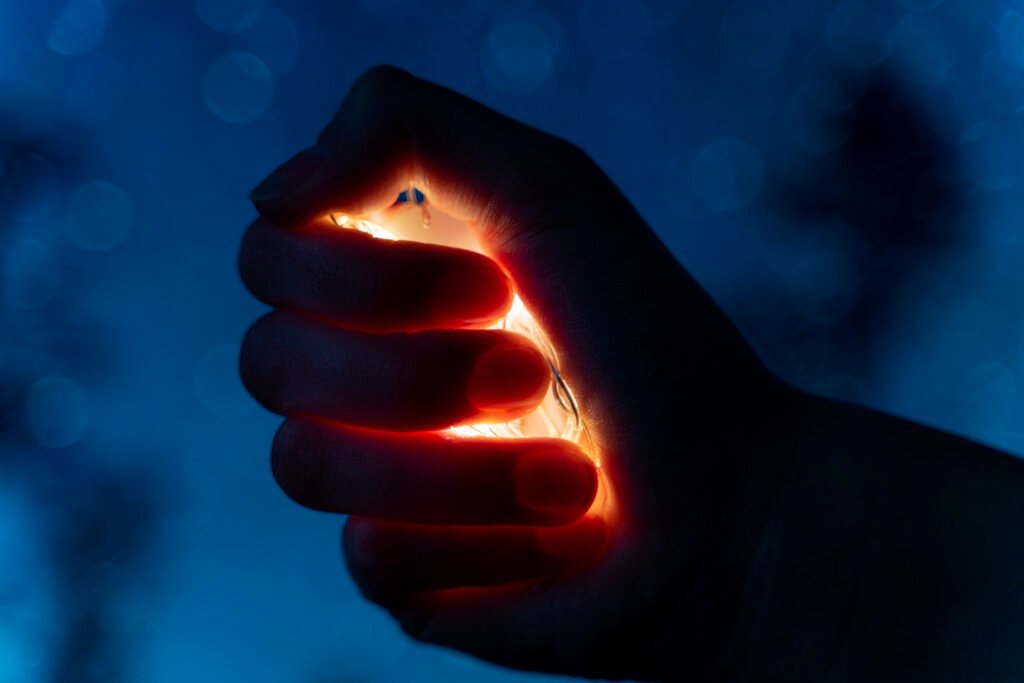
For a lot of people, the word trauma feels like a diagnosis, a life sentence, or some shadow they’d rather not talk about.
It’s whispered about, buried deep, or dismissed as “something you should just get over.”
But let’s clear something up: trauma is not an infectious disease.
It’s not something shameful that needs to be locked away.
And it’s definitely not something you have to carry in silence for the rest of your life.
In fact, trauma is far more common than most people realize — and when understood and worked through, it can become a powerful catalyst for growth and healing.
Trauma, In Plain Terms
At its core, trauma is simply this: an overwhelming experience that your mind, body, or spirit didn’t know how to process at the time it happened.
It can be caused by big events — accidents, loss, abuse — or by ongoing smaller experiences that wear away at your sense of safety and worth, like neglect, constant criticism, or years of stress.
What makes something traumatic isn’t just what happened, but how it impacted you.
What overwhelmed one person might barely faze another. Trauma is deeply personal.
And yet, no matter its form, trauma leaves behind what I call “emotional knots” — tangled-up feelings and memories that:
For generations, trauma has been treated like something to ignore or suppress:
The result? People carry heavy knots in silence.
They push it down, hoping it’ll disappear.
But suppressed trauma doesn’t go away. It shows up in other ways: anxiety, depression, sudden anger, physical tension, chronic fatigue, even illness.
Why Bringing Trauma to the Light Matters
As a holistic coach, I often talk about light.
Why? Because in every dimension — spiritual, mental, and physical — light is life-giving:
Spiritually: Light connects us to hope, to purpose, to something beyond the pain. Darkness disconnects us and makes us feel alone.
Mentally: Light brings clarity. Darkness weighs us down with heavy, looping, entangling thoughts.
Physically: Light represents flow, movement, and openness. Darkness shows up as tension, knots, obstructions, and that feeling of being “stuck” in your own skin.
When we bring trauma to the light — gently, and with the right support — we begin to untangle those knots.
Not by re-living every detail, but by re-visiting it just enough to acknowledge, process, and release what’s been holding us captive.
You Don’t Have to Face It Alone.
Trauma can feel terrifying to confront because it often triggers the very patterns it created — anxiety, fear, and emotional flooding.
That’s why trying to deal with it alone can be overwhelming.
Healing trauma is best done with professional guidance — someone trained to create a safe space, help you regulate your nervous system, and equip you with tools so you can process without getting re-traumatized.
The goal isn’t to dredge up every memory. The goal is to:
When we avoid our trauma, it quietly shapes our lives from the shadows:
But when we face it, with care and support, something powerful happens:
Trauma doesn’t have to be a life sentence. In fact, it can be the raw material you use to create something stronger and more beautiful — the way alchemists turn base metals into gold.
Bringing It Back to the Light
If you’ve been carrying unspoken, unprocessed pain, know this:
You’re not broken.
You’re not “too much” to fix.
And you’re definitely not alone.
Trauma is not a secret to be buried; it’s a wound to be healed.
And when it’s healed, it no longer controls your thoughts, your health, or your future.
Because on the other side of those knots, there’s a version of you that feels lighter, freer, and finally at peace.
That’s what happens when we bring trauma to the light — and that’s where your transformation begins.